

Norwell Weeding Services
Choose our expert weeding services for a healthier, more vibrant landscape—our experienced team ensures your garden stays pristine, saving you time and effort while promoting strong plant growth.
Get a Free QuoteWhen to Schedule Weeding in Norwell, Massachusetts – Seasonal Guide
In Norwell, Massachusetts, the best times to schedule weeding are typically in early spring and late summer, when local weather conditions are most favorable for effective weed removal. Norwell’s climate features cold winters with late frosts—often lasting into April—and warm, humid summers. This means that early spring, just after the last frost, is ideal for targeting weeds before they become established. Late summer is also a strategic window, as many invasive species attempt a second growth spurt before fall.
Local neighborhoods such as Wildcat Hill and the area near Norris Reservation often experience unique microclimates due to varying shade coverage and proximity to wetlands. Soil in Norwell tends to be loamy with occasional rocky patches, which can influence both weed growth and removal techniques. Homeowners should also be mindful of municipal guidelines and seasonal drought advisories, which are regularly updated on the Town of Sudbury’s website.
Local Factors to Consider for Weeding in Norwell
- Proximity to wetlands or shaded areas (e.g., near Norris Reservation)
- Soil composition: loamy, rocky, or clay-heavy patches
- Tree density and canopy coverage affecting sunlight
- Typical precipitation patterns and risk of summer drought
- Local frost dates and temperature swings
- Municipal restrictions or advisories on chemical use
Benefits of Weeding in Norwell

Improved Curb Appeal
Healthier Plant Growth
Reduced Pest Infestation
Enhanced Soil Quality
Professional and Reliable Service
Time and Effort Savings
Norwell Weeding Types

Hand Weeding
-
Mulch Application
-
Pre-Emergent Weed Control
-
Post-Emergent Weed Spraying
-
Mechanical Weeding
-
Landscape Bed Maintenance
-
Selective Herbicide Application
Our Weeding Process
Site Evaluation
Weed Identification
Targeted Removal
Soil Treatment
Final Inspection
Why Choose Norwell Landscape Services
-
Norwell Homeowners Trust Us
-
Expert Lawn Maintenance
-
Reliable Seasonal Cleanups
-
Competitive Pricing
-
Professional Team
-
Satisfaction Guarantee
-
Personalized Service
Contact Norwell's Department of Public Works for Weed Debris Disposal & Municipal Composting Programs
Proper weed debris management in Norwell is essential for environmental protection and compliance with state regulations. Healthy weeds can be included in the municipal composting program, while invasive species such as buckthorn, garlic mustard, honeysuckle, and Japanese knotweed must be bagged in heavy-duty plastic and sent to landfill—never composted. Diseased plants require quarantine and controlled disposal, and seedy weeds should be contained and removed before seed set. Soil clods and rocks are accepted at the Transfer Station, which enforces strict guidelines: use biodegradable paper bags (no plastic), bundle woody weeds to a maximum of 4-foot length and <50 lbs with biodegradable twine, and follow posted hours, permit, and fee requirements. Finished compost is available for soil improvement and restoration projects, distributed seasonally. It is strictly prohibited to dispose of any yard waste in streets, gutters, or storm drains to prevent MS4 violations and protect local water quality.
Norwell Department of Public Works
345 Main Street, Norwell, MA 02061
Phone: (781) 659-8076
Official Website: Norwell Department of Public Works
Professional Weed Identification & Integrated Weed Management Assessment for Norwell's Glacial Till & Rocky Soils
Accurate weed identification is the foundation of effective management in Norwell’s glacial till and rocky soils. Professional assessment involves using taxonomic keys and scientific nomenclature to distinguish annuals (crabgrass, chickweed, lamb’s quarters, purslane, foxtail), perennials (dandelions, plantain, violets, ground ivy, white clover), grassy weeds (quackgrass, goosegrass, nutsedge), and invasive species (garlic mustard, buckthorn, honeysuckle, Japanese knotweed, bittersweet). Seasonal emergence patterns are tracked using NWS Boston/Norton. Site assessments consider soil type, moisture, fertility, and sun/shade patterns, referencing the USDA Web Soil Survey and UMass Extension for diagnostics. Integrated Weed Management (IWM) thresholds are set based on economic and aesthetic injury levels, with consideration for beneficial weeds like clover (nitrogen fixation) and dandelions (pollinator support).
Norwell Community Development
345 Main Street, Norwell, MA 02061
Phone: (781) 659-8026
Official Website: Norwell Community Development
Massachusetts Conservation Commission Requirements for Weed Control & Water Quality Protection
Weed control activities near Norwell’s wetlands and streams are regulated under the Wetlands Protection Act. Work within 25-100 feet of resource areas requires coordination with the Conservation Commission, and chemical applications may need permits (NOI/RDA), especially during wildlife breeding (March-Aug). Environmental protection measures include groundwater and surface water safeguards, selective timing to protect pollinators, and habitat value assessments to preserve beneficial species. Immediate revegetation and erosion control are required after treatment, with stabilization measures coordinated through municipal stormwater programs. For habitat and biodiversity concerns, consult the MA Division of Fisheries & Wildlife.
Norwell Conservation Commission
345 Main Street, Norwell, MA 02061
Phone: (781) 659-8022
Official Website: Norwell Conservation Commission
Massachusetts Pesticide Regulations & Professional Licensing Requirements for Chemical Applications
All chemical weed control in Norwell must comply with MA Dept Agricultural Resources regulations. Commercial applicators require Category 36 (Ornamental & Turf) licensing, passing a certification exam on weed biology and IPM, and must complete continuing education for recertification every 3-5 years. Applicators must maintain at least 1M in general liability insurance (2M aggregate recommended), environmental impairment liability, and workers’ compensation. Federal EPA registration and EPA Region 1 compliance are mandatory for restricted use pesticides. Detailed record-keeping, including application logs and adverse incident reporting, is required. For municipal or commercial work, proper bonding and documentation are essential.
Norwell Board of Health
345 Main Street, Norwell, MA 02061
Phone: (781) 659-8016
Official Website: Norwell Board of Health
Integrated Weed Management Strategies: Cultural, Manual & Mechanical Controls in Norwell
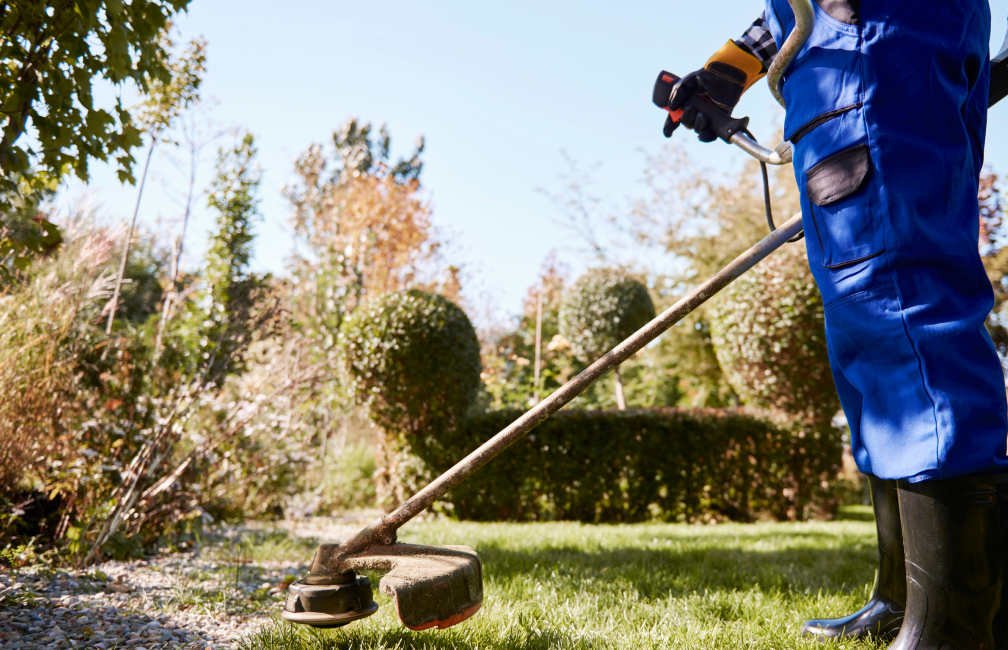
Norwell’s IWM approach prioritizes non-chemical methods. Cultural controls include mowing at 3-4 inches, balanced fertilization, proper irrigation, core aeration, overseeding, and mulching 2-4 inches deep with a 6-inch plant clearance. Manual controls involve hand-weeding, hoeing, and flame weeding for gravel paths. Mechanical controls use string trimmers with debris containment, solarization, and landscape fabric. Biological controls encourage beneficial insects and competitive groundcovers, while chemical controls are a last resort—applied selectively and with resistance management. Prevention strategies focus on deep mulching, early detection, soil health improvement, and site-appropriate plant selection. These methods are adapted to Norwell’s glacial till, sandy outwash, and marine clay soils for sustainable results.
Seasonal Weeding Calendar & Weather Timing for Norwell's Climate Zone 6b
Norwell’s climate (Zone 6b) shapes the optimal timing for weed management. Early spring (Mar-Apr) is ideal for pre-emergent control when soil temperatures reach 50-55°F; late spring (May-Jun) targets post-emergent annuals. Summer (Jul-Aug) focuses on perennial control and spot treatments, with increased irrigation to reduce stress. Fall (Sep-Oct) is best for deep-rooted perennial removal as energy moves to roots. Manual removal is most effective in slightly moist soil, and herbicide applications require 24-48 hour rain-free windows, temperatures 60-85°F (avoid >90°F), and wind speeds <10 mph. Timing is coordinated to avoid pollinator activity and wildlife nesting (March-Aug), with plant-specific windows to prevent seed dispersal.
Post-Weeding Site Management & Stormwater Protection in Compliance with Norwell's MS4 Program
After weeding, immediate site stabilization is required to comply with MS4 stormwater regulations under the Clean Water Act and MassDEP Stormwater Standards. Bare areas must be revegetated within 24-48 hours using appropriate seed mixes, and mulched 2-4 inches deep with a 6-inch plant clearance. Temporary erosion barriers (silt fence, straw wattles) are used during vulnerable periods. Long-term management includes adding 1-3 inches of compost, establishing competitive plant communities, and monitoring for weed resurgence with 30-day and seasonal follow-ups. Best practices include mechanical debris cleanup, proper material staging, and equipment wash water management to prevent runoff into storm drains.
Norwell Water Department
345 Main Street, Norwell, MA 02061
Phone: (781) 659-8076
Official Website: Norwell Water Department
Invasive Species Management & Specialized Disposal Requirements Under Massachusetts Regulations
Norwell faces significant challenges from invasive weeds such as garlic mustard (Alliaria petiolata), buckthorn (Rhamnus/Frangula), bush honeysuckle (Lonicera spp.), Japanese knotweed (Fallopia japonica), oriental bittersweet (Celastrus orbiculatus), and purple loosestrife (Lythrum salicaria). Removal protocols require timing before seed set, mechanical extraction, and strict sanitation of tools with 70% isopropyl alcohol or 10% bleach solution. All invasive debris must be bagged in 6 mil plastic and sent to landfill—never composted. Transportation protocols prevent seed dispersal, and follow-up monitoring at 6-month and annual intervals is required. For regulatory guidance, consult MIPAG and local authorities.
Norwell Department of Public Works
345 Main Street, Norwell, MA 02061
Phone: (781) 659-8076
Official Website: Norwell Department of Public Works
Tool Sanitation, Worker Safety & Public Health Protection Protocols
Comprehensive sanitation protocols are vital to prevent the spread of pathogens and invasive species. Tools and equipment must be disinfected between sites and plants using 70% isopropyl alcohol or 10% bleach solution. Workers are required to use PPE: safety glasses, Level A4+ cut-resistant gloves, steel-toed boots, and long sleeves for poison ivy protection. First aid certification, tick awareness (Lyme disease is endemic), and heat stress prevention are mandatory. Public health is protected by scheduling work to avoid exposure to children and pets, and by following Norwell Board of Health guidelines for hazardous plant handling. Ergonomic practices, including proper lifting, tool selection, and hydration, are emphasized for worker safety.
Norwell Board of Health
345 Main Street, Norwell, MA 02061
Phone: (781) 659-8016
Official Website: Norwell Board of Health
What Neighborhoods Do We Serve Throughout Norwell, MA?
Norwell’s neighborhoods each present unique weed management challenges. The Mount Blue Street area features glacial till soils with poor drainage, while River Street and Wildcat Lane have sandy outwash with fast drainage and low nutrients. The Accord and Grove Street neighborhoods contain rocky shallow soils, and the Washington Park area is characterized by marine clay and a high water table. Environmental sensitivities include proximity to wetlands, Zone II wellhead protection, and rare species habitats. Community standards vary, with some areas emphasizing organic treatments and others requiring strict HOA or Historic District compliance. Infrastructure considerations include narrow streets, mature landscaping, and utility conflicts, all requiring careful planning and municipal coordination.
Norwell Community Development
345 Main Street, Norwell, MA 02061
Phone: (781) 659-8026
Official Website: Norwell Community Development
Norwell Municipal Ordinances for Weeding Equipment Operation & Commercial Service Standards
Norwell enforces strict ordinances for weeding equipment operation: permitted hours are 7:00 AM-7:00 PM weekdays, 8:00 AM-6:00 PM Saturdays, with Sunday work often restricted before 9:00 AM or prohibited. Noise and decibel limits apply, especially in residential areas. Commercial operators must register with the Town Clerk, obtain Home Improvement Contractor registration for contracts >$1,000, and maintain 1M general liability insurance (workers’ compensation is mandatory). Category 36 pesticide applicator certification from MDAR is required for chemical applications. Safety protocols include traffic control, equipment maintenance, public notification, and emergency response procedures. Environmental compliance covers material handling, vehicle maintenance, immediate cleanup, and documentation, coordinated with MassDEP and local bylaws.
Norwell Building Department
345 Main Street, Norwell, MA 02061
Phone: (781) 659-8018
Official Website: Norwell Building Department